
Is $5,100 a Month Enough to Retire?
A new survey estimates $5,094 a month. Compare actual retiree spending, Social Security income, and what your own savings may need to provide.
Calculate your income gap →
Terra skips the market noise and focuses on developments that create a real financial question. Each story explains what changed, why it matters, what it can affect, and where to go deeper.
Oil jumped, mortgage rates edged lower and Social Security warned about COLA scams. Here is what changes a household decision—and what does not.
A recurring Money Now series that separates the eye-catching number from the decision underneath it: what was measured, what the headline leaves out, and what — if anything — should change in your plan.
A new survey estimates $5,094 a month. Compare actual retiree spending, Social Security income, and what your own savings may need to provide.
Calculate your income gap →
Compare selling now, staggering gains, and the costs of keeping a concentrated position.
See the tax tradeoffs →
The SEC has proposed broader use of performance fees. Compare management charges with a share of gains—and understand what happens after losses.
See the fee comparison →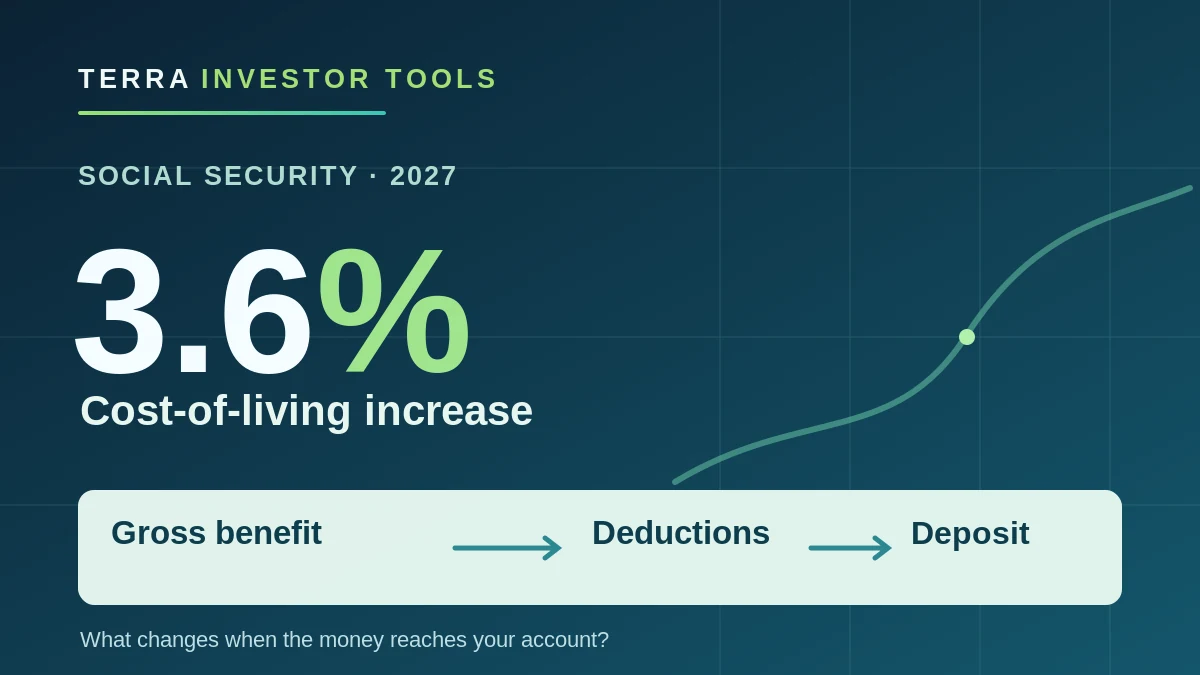
The gross raise and the bank deposit can differ after Medicare and taxes.
See the take-home difference →Eligible Direct Loan borrowers can qualify for a temporary rate reduction. Check the December 31 deadline, the savings math and autopay risks.
Read the borrower checklist →
Your funds may hold many of the same companies. Learn to spot overlap and measure what you really own.
Check your fund overlap →
Certain retirement withdrawals can reduce the contribution used for the new match — and the testing window can reach back to 2025.
See the withdrawal rule →
Start with the goal: education, retirement, long-term investing or flexibility. Compare what each account is actually built to do.
Read the decision guide →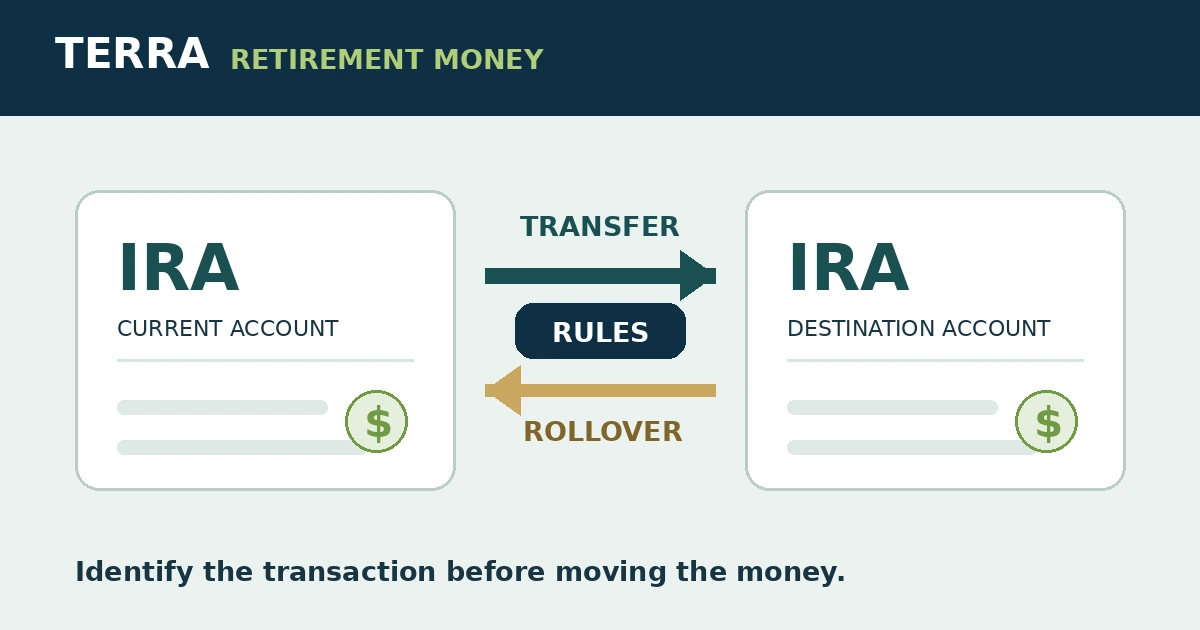
Transfers, rollovers, inherited IRAs and Roth conversions can look similar but follow different tax rules.
Read the decision guide →A job change can turn an outstanding 401(k) loan into a taxable offset. Learn the special rollover deadline, possible tax cost, and what to check before you leave.
Read the decision guide →
A higher Treasury yield changes the comparison for cash, bonds, stocks and borrowing. See what the new benchmark may mean for real household decisions.
Read the explainer →Eligible savers can receive up to $1,000 per person. See who may qualify and how the new Saver’s Match works.
See how the Saver’s Match works →
Compare the real opening savings with the reset risk before choosing the lower starting rate.
Read the decision guide →See why the average is not a retirement score — and what to compare instead.
Decode the headline →Put the outflow number in context before turning it into a portfolio decision.
Decode the headline →Age 50+, the special 60–63 catch-up, and the $150,000 Roth catch-up wage threshold — in one decision path.
Read more →The Fed controls a short-term policy rate, not your 30-year mortgage. See what borrowers should actually watch.
Read more →
Put the quarter-point move into real dollars for mortgages, credit cards, savings, CDs, bonds, stocks and retirement.
Read more →Higher Treasury yields can ripple into mortgages, bond-fund prices, savings yields and asset valuations.
Read more →Compare the guaranteed savings from paying down a loan with the value of keeping liquidity and investments available.
Read more →The employee-deferral limit is not the same as the plan's total annual-additions limit.
Read more →A story has to create a useful decision, misconception to clear up, or financial mechanism worth understanding. Terra does not publish a piece just because the market moved that day.
See Terra's editorial standards →